
October 15, 2024

Is Unmanaged Hearing Impairment a Primary Driver of Depression and Anxiety?

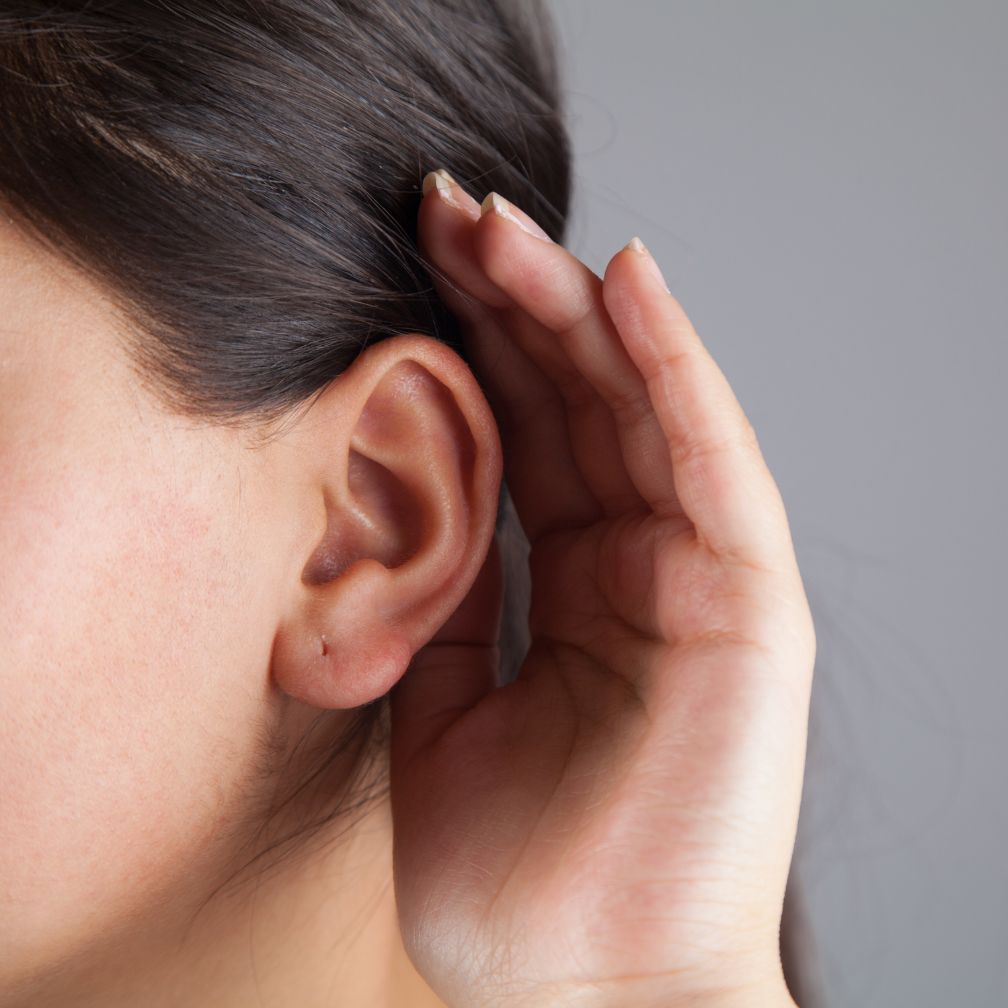
Losing one’s hearing extends far beyond physical mechanics; it acts as a deeply personal challenge that gradually alters an individual’s worldview. Although hearing loss is widely regarded strictly as a barrier to clear listening, its psychological toll remains unseen yet deeply impactful. Whether manifesting as sudden irritation or prolonged detachment, unmanaged hearing impairment can trigger


Understanding Post-Cold Ear Congestion: Causes and Relief Strategies

The average adult gets 2-3 colds each year, making it one of the most common illnesses. Despite their frequency, colds can still leave you feeling miserable with symptoms like fevers, sore throats, runny noses, sneezing, and coughing. But one symptom that often goes unnoticed is ear congestion. Physiological Explanations for Post-Viral Ear Congestion Blocked ears

The Architecture of Sound: Does Ear Shape Alter Auditory Tracking?

Perhaps you’ve learned that dogs with floppy ears do not hear as effectively as those with pointed ones. It is a fascinating evolutionary trait that cats, dogs, and rodents actively adjust their ear positioning to effortlessly capture acoustic data from the front, sides, and rear. Importantly, these quadrupedal animals are not unique in having external

How Loud Is Too Loud? Car Noise and Hearing Loss Risk

You love your car. The independence that driving provides is irreplaceable to you, but could your choice of transport be quietly driving permanent acoustic trauma? Driven by these concerns, let’s explore how transport choices influence long-term wellness. Let’s look closely at how modern transit modes provoke vehicle-related hearing loss, while introducing straightforward habits to reverse

Unexplained Static or Whooshing? What That Internal Noise Is Trying to Tell You

What’s that strange noise that kind of sounds like white noise, or wind in your ears? What explains the fact that you are the sole individual capable of detecting this frequency? You are not inventing these symptoms; the sensation is entirely real. Happily, you are likely not suffering from “phantom ring syndrome,” a modern behavioral

Why Is My Tinnitus Louder at Night?

It’s been a long day, and there’s nothing you’re looking forward to more than a good night’s sleep. As you lay your head on the pillow and your surroundings go completely still, that familiar aural ringing instantly becomes impossible to tune out. If your tinnitus feels louder at night, you’re not imagining it. This phenomenon

What Causes Recurrent Dizziness? How Your Vestibular System Signals Trouble

The moment you stand up, pivot your neck, or shift positions in bed, a sudden wave of vertigo hits. Alternatively, you might live with a constant, lingering lightheadedness and loss of equilibrium that fails to subside. Dizziness can be unsettling, and for many people, the first thought is whether something is seriously wrong. Fortunately, the

Contemporary Hearing Instruments: A Complete Departure From Legacy Devices

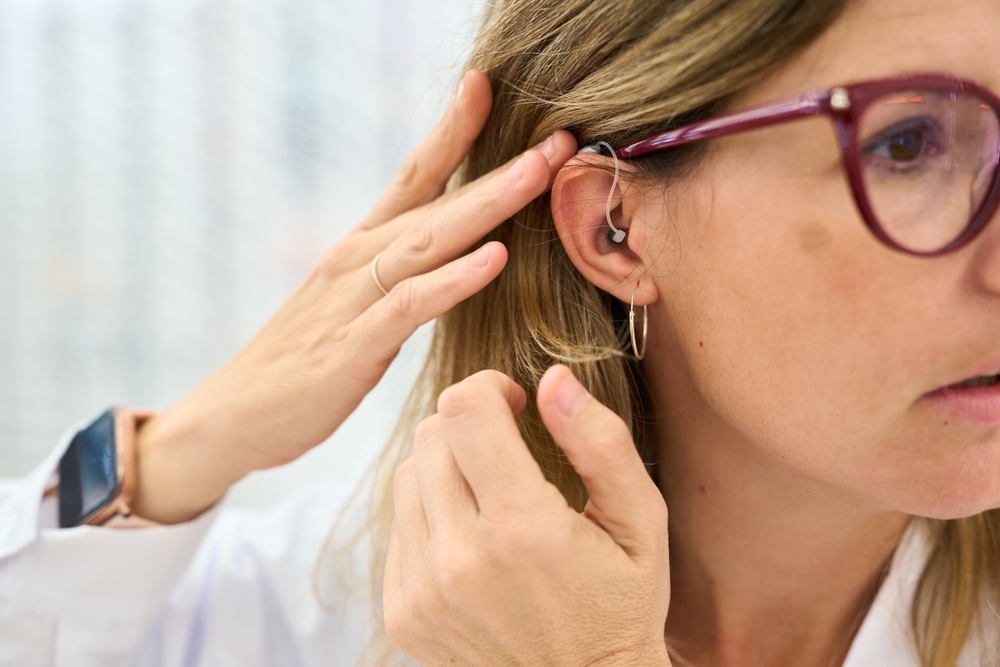
Many people delay getting hearing aids because they don’t think they’ll like how they look or feel. For decades, legacy acoustic amplifiers were cumbersomely large, highly conspicuous, and culturally tethered to physical senescence. In various scenarios, patients expressed fear that wearing an obvious device would cause peers to omit them from casual conversations due to

Cognitive Auditory Decline: Understanding Brain-Based Hearing Challenges

It is a widespread misconception that hearing begins and ends with the ears, but the reality is more complex. Clinical evidence shows that auditory processing is a bilateral effort between the peripheral ears and the central nervous system. This term defines the brain’s specialized role in translating raw sound waves into coherent linguistic data. To

A Comprehensive Guide to Funding Hearing Aids: Maximizing Benefits and Options

Patients researching therapeutic sound amplification often find that the initial acquisition expense stands out immediately. Varying by technological tiers and clinical customization requirements, modern systems require a wide range of financial commitments. This baseline cost frequently catches individuals off guard, occasionally stalling their journey toward improved communication. While the financial baseline is significant, it does

Will Medicare Pay for Your Hearing Aids? The Facts Explained

Does your Medicare plan pay for hearing aids? The straightforward response is no. You will not find hearing aid coverage through Original Medicare. We recognize this is frustrating, and many patients find this lack of coverage unexpected. On the bright side, you have other alternatives to consider. Options such as Medicare Advantage plans, flexible financing,

Can Headphones and Earbuds Cause Hearing Loss?

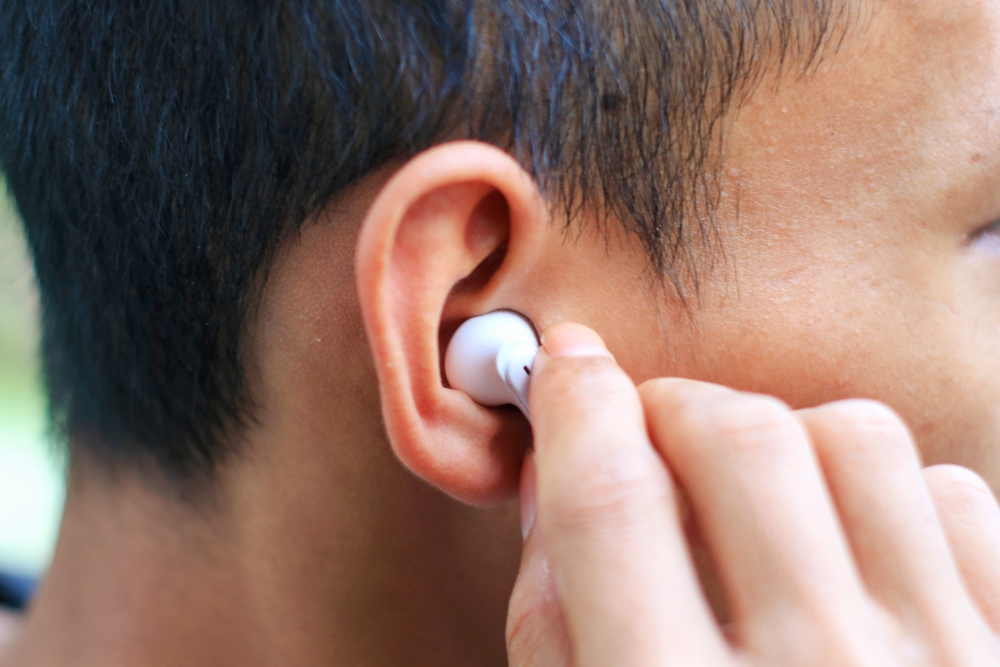
It is increasingly uncommon to observe a young adult in a public setting without an earbud in place. Though over-ear headphones are more bulky, the younger demographic still relies on them for environmental isolation. We all enjoy listening to music, no matter our age, but younger people rely on music to pass the time. Does