
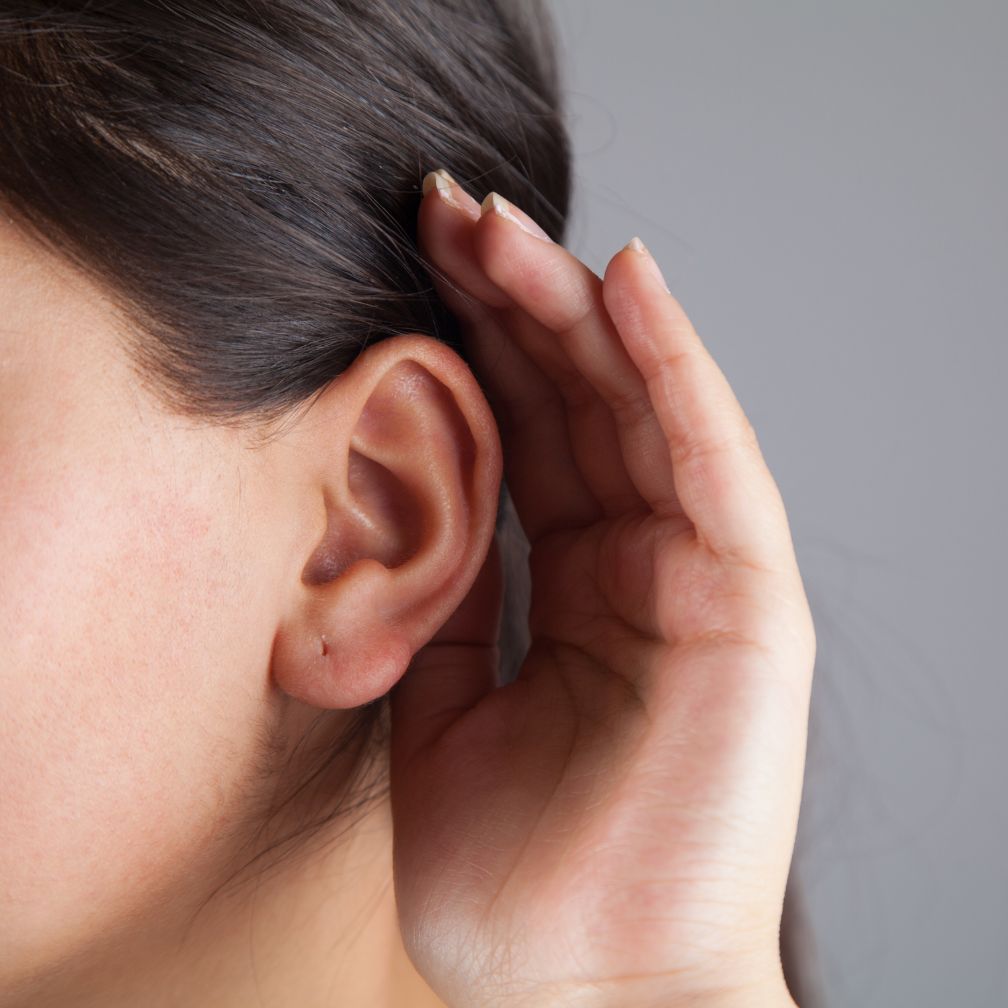
What’s that strange noise that kind of sounds like white noise, or wind in your ears? What explains the fact that you are the sole individual capable of detecting this frequency? You are not inventing these symptoms; the sensation is entirely real.
Happily, you are likely not suffering from “phantom ring syndrome,” a modern behavioral manifestation where excessive cellular device users falsely perceive incoming calls, vibrations, or alerts.
More than likely, you are experiencing a very common peripheral vestibular and auditory condition known as tinnitus. And yes, what you’re hearing is real, and there are some things that can make tinnitus worse.
Fortunately, this underlying audio threshold rarely blocks your baseline ability to follow spoken dialogue. It just sounds like there’s some sound transposed on top of everything you hear.
Let’s look at where this white noise comes from, what it is, and what you may be able to do to reduce or get rid of it.
Demystifying Tinnitus: Connecting Auditory Damage to Phantom White Noise
Physiologically, tinnitus typically serves as an early clinical warning sign of underlying hearing loss. The condition presents as a continuous or episodic phantom frequency that overlays all external environmental sound. Depending on individual pathology, this subjective sound can remain mild enough to ignore during active hours. Conversely, you may be trapped in a severe cycle where the internal static feels absolutely overwhelming, disrupting your concentration and peace of mind.
You’ve probably tried to explain to people what you’re experiencing, but this form of hearing loss is difficult for people to understand if they’ve never experienced it for themselves.
You might find yourself wondering how a humming noise that sounds so incredibly vivid inside your skull can have no external reality. The invisible nature of the noise frequently forces individuals to question whether the symptom is purely psychological. How can it keep me from understanding those around me? Or sleeping?
The Quiet Room Trap: How Inactivity Highlights Internal Buzzing
It is a well-documented clinical fact that a lack of environmental audio causes your internal ear noises to feel significantly worse. This occurs because the phantom signal inside your pathways no longer encounters any external acoustic competition; for instance, the average adult maintains absolute silence in their bedroom during sleep hours. They operate without a television background feed, avoid running any radio streams, and eliminate all ambient audio. Furthermore, being left alone with your internal thoughts allows the unprompted ear static to command your undivided attention, initiating an anxious loop that makes the volume seem significantly louder. No matter if you battle soft whistling or intense buzzing across variable frequencies, a hushed bedroom at night establishes the exact scenario required for tinnitus to become unbearable.
When Tinnitus Mimics Wind, Static, and Alternative Acoustic Textures
Not only does the disorder defy easy explanation to outsiders, but sharing notes with another patient can frequently muddy the waters. They may be experiencing very different symptoms than your own, which might lead you to think that what you have isn’t tinnitus at all.
However, statistically speaking, your symptoms are almost certainly a manifestation of the exact same condition. The disorder presents with remarkable variety, shaping its subjective sound signature differently from one ear network to the next. Common clinical presentations involve consistently tracking frequencies that mimic:
- A continuous blanket of high-frequency digital static
- A resonant, steady internal humming tone
- A sharp, highly irritating electrical buzzing
- A persistent, thin ringing frequency that cuts through silence
- A blunt, repetitive thumping sequence inside the canal
- The unchanging pitch of a legacy phone line dial tone
Under standard clinical circumstances, you remain the exclusive audience for the subjective white noise generated by your neural pathway errors. Because of this, a traditional doctor cannot physically audit or hear the frequency to validate your complaint. The practitioner simply has to trust your diagnostic description, as there is no physical signal for them to measure.
This can cause people to feel invalidated by a doctor who doesn’t specialize in hearing loss.
Thomas, a steelworker, told us, “When the ringing in my ears started, I talked to my primary doctor. While the doctor did state that it might be tinnitus, he didn’t really seem to understand how debilitating the noise was. He brushed off the symptom as though it lacked any real physical impact on my life. He mistakenly believed I could simply choose to ignore the frequency and completely failed to provide any therapeutic pathways or solutions.”
Transitioning your care to an expert otolaryngologist eliminates this frustration, ensuring your symptoms are validated while mapping real-world treatments. Frequently, the unique behavior of the phantom frequency serves as an anatomical roadmap, helping your doctor identify the perfect treatment.
Whooshing vs. Ringing: Identifying High-Risk Vascular Anomalies
The diagnostic tracking process is made difficult by the reality that your internal head noises can take on completely unexpected mechanical characteristics. Consider a scenario where you perceive a fluid-like whooshing or a rhythmic thumping that beats in unison with your heart; this pattern points directly to a distinct condition called pulsatile tinnitus.
Happily, clinical teams can resolve this whooshing variation more definitively than traditional ringing, given that its roots are usually tethered to physical circulatory issues like hypertension or carotid artery changes.
That roaring sound is frequently generated by localized circulatory friction inside narrowed vascular structures near the ear, creating an audible murmur known as a bruit. It’s critically important to get this checked out and treated, as in rare cases, the whooshing sound could be a sign that you’re heading for a seizure or stroke, either of which could prove fatal.
Objective Tinnitus: When Your Doctor Can Audibly Detect the Sound
Make no mistake: tinnitus is a highly disruptive, legitimate medical disorder that inflicts significant stress on a patient’s routine. While traditional forms defy direct observation, rare presentations of vascular tinnitus enable a trained professional to utilize an amplified stethoscope to audibly track the internal murmur alongside you. Remember, this external diagnostic confirmation is exclusively possible within vascular profiles, which occur far less frequently than standard subjective ear ringing.
What Triggers the Ringing? Uncovering Your Personal Path of Injury
Statistically, the primary driver of chronic ear ringing is prolonged, repeated exposure to high-decibel environmental noise. This pattern makes the condition an occupational hazard for musical performers, audio engineers, and workers across various trades who navigate intense decibel exposure shift after shift.
There are some professions that are loud enough to cause workers to develop tinnitus, such as:
- Factory Work – Operating around unmitigated industrial machinery for consecutive hours creates a highly toxic environment for your delicate hearing mechanisms. Beyond the raw volume, the high-pressure nature of manufacturing work spikes your stress hormones, which serves as a major secondary driver that worsens the internal ringing over time. If your job positions you near an active pneumatic riveter, you are facing a massive risk; these devices exceed 125 decibels, a level that causes immediate structural ear damage and severe, permanent static.}
- Modern Farming – The primary danger on a homestead isn’t the livestock. While a nearby rooster can hit 90 decibels, the mechanical components of modern farming pose a much greater threat to your long-term hearing health. High-horsepower tractors, massive combines, heavy harvesters, and high-pressure milking pumps all emit continuous, dangerous decibel levels. Furthermore, basic estate upkeep can damage your ears; a standard consumer table saw outputs more than 85 decibels, which actively destroys hearing tissue through prolonged exposure.}
- Aviation – A commercial jet propulsion system generates a staggering 140 decibels of acoustic energy, even from a distance of a hundred feet. While professional aviators generally wear protective communication headsets, pilots of small or regional aircraft operate right next to the engine firewall. No passive or active headset is completely capable of shielding the inner ear from this intense, vibrating sound pressure, meaning your hard-earned flight hours are simultaneously causing gradual, permanent sensorineural damage.}
- Motorcycle Traffic Enforcement – You don’t need a badge to mount a motorcycle, but spending your entire working day atop a roaring engine exposes your ears to a toxic combination of motor exhaust and high-speed wind noise that induces chronic tinnitus. This identical sensory threat applies to operators of industrial snowmobiles and personal watercraft, though such vehicles are rarely part of a standard corporate job unless you work in an exceptionally adventurous field.}
- Nightlife and Hospitality Personnel – To fulfill your duties, you must accurately capture a patron’s drink order from across a crowded room. However, the ambient acoustics in modern nightclubs are set so high that discerning speech becomes a massive physical struggle, forcing your auditory cortex to work overtime against a wall of sound. If the venue hosts a live band or high-powered subwoofers, your inner ear suffers the exact same structural trauma experienced by the musicians on stage.}
In all of these instances, the tiny hairs inside the inner ear were damaged by constant exposure to loud noises. These delicate cellular structures are responsible for converting physical sound vibrations into electrical signals that the brain can decode into meaningful language. Tragically, unlike your skin or bone tissue, these specialized sensory receptors lack the biological capacity to regenerate or repair themselves, leaving you with permanent deficits and a distorted auditory perspective.
What Is Driving the Volume Up? Secondary Tinnitus Accelerators
Beyond direct exposure to loud volumes, specific lifestyle choices and physiological conditions can cause the white noise in your head to worsen.
- Mental Health Challenges – Living with generalized anxiety or depression creates a highly frustrating catch-22 scenario. The moment your stress or mood drops, your neurological sensitivity to the ear ringing spikes, which immediately causes your psychological distress to worsen in response.}
- Failing to Protect Your Hearing – Your ears are highly sensitive and will ache when subjected to dangerous decibel levels. Do not try to be tough or tolerate the volume—take immediate steps to shield your ears, because you only get one set of auditory organs for life.}
- Systemic Hypertension – Allowing your blood pressure to remain elevated can actively restrict the critical microvascular oxygen supply reaching your delicate inner ear. This cardiovascular strain not only intensifies the perceived volume of the static instantly, but it also accelerates permanent cellular damage over a long timeline.}
- Nicotine Consumption – The intense neurological irritation and withdrawal anxiety you experience between cigarettes actively magnifies your perception of the ringing. While your immediate instinct may be to light another cigarette for relief, this choice simply worsens the underlying issue over time due to the severe vasoconstriction nicotine inflicts on your circulatory system.}
- Specific Foods – Many individuals discover that daily caffeine intake and common sugar substitutes serve as direct agitators for their ear static. By keeping a meticulous food journal, you can cross-reference what you consume with the loudness of your symptoms to pinpoint exactly which items are worsening your condition.}
- Social Environments – Interacting with highly critical or anxiety-inducing people can elevate your heart rate and worsen your ear static by provoking stress and depressive patterns. It is vital to audit your close relationships to protect your health, determining whether these connections are worth the toll they take on your auditory peace. Ultimately, you cannot control how other people act, but you have complete control over how often you interact with them.}
- Pregnancy – Approximately one-third of women experience localized ear ringing during gestation, a phenomenon routinely triggered by shifting endocrine baselines and increased cardiovascular demands.}
- Deep wax build-up – Earwax pressing on the eardrum can cause odd sounds. Having that wax removed professionally could instantly stop the ringing in some cases.}
- Medications and Over-the-Counter Drugs – Certain prescription opiates, specialized antibiotics, high-dose diuretics, oncology drugs, and routine retail pain relievers possess well-known ototoxic properties that trigger or worsen tinnitus. You should actively discuss your medication list with an ear specialist and your general doctor to discover safer alternatives and mitigate these side effects.}
Reviewing Effective, Clinically Proven Tinnitus Management Options
Your first step should always involve addressing any concurrent medical concerns with a primary care provider. Some conditions make tinnitus worse, like anxiety or high blood pressure.
Following the successful treatment of any underlying physical diseases, you can pivot to advanced symptom-management strategies. Effective clinical avenues for suppressing the noise include:
- Mindfulness Interventions – Incorporating daily meditation, restorative yoga, or alternative somatic relaxation exercises can drastically lower your neuro-chemical stress response. Unfortunately, modern educational systems rarely teach individuals how to self-regulate stress naturally without resorting to chemical substances. Despite this gap, thousands of patients actively pursue these holistic habits because clinical data confirms they successfully lower tinnitus awareness.}
- Nocturnal Audio Camouflage – Utilizing soft, steady background static while you rest offers instant relief by reducing the contrast of the internal ringing. Make sure you never make the mistake of trying to completely submerge the symptom with loud earbuds or high-decibel environmental noise. That counterproductive habit will only accelerate your permanent hearing loss and increase the intensity of your symptoms as time goes on.}
- A hearing aid, which can be set to cancel the sound. Hearing aids today have advanced features like tinnitus cancellation. They can be programmed during the hearing aid fitting to emit a sound that cancels out the specific tone you hear.}
- Targeted Sound Therapy – This advanced treatment path focuses on neural habituation, teaching your brain to naturally dismiss the phantom signal. Sound professionals leverage specialized audio devices to play a matching tone directly into your ear canal. This continuous, low-level stimulation helps your cognitive processors relegate the ringing to the background, allowing you to refocus your attention on meaningful external sounds.}
- Cognitive Behavioral Therapy (CBT) – This gold-standard psychological methodology is heavily utilized by mental health experts to break destructive cognitive habits and anxiety loops. If you find yourself constantly obsessing over negative current events, stressful news, or external life variables outside your control, CBT provides a powerful framework. The therapy successfully retrains your brain to shift attention toward constructive thoughts and actionable personal choices, which drastically lowers your systemic cortisol and stress levels.}
The Reality of White Noise Therapy: Management vs. Cure
We have all heard the expression regarding fighting fire with fire, but does it make clinical sense to combat internal static with external static? A recent study in England found that while white noise therapy helps those afflicted by tinnitus, it needs to be paired with additional treatments.
The honest clinical reality is that a permanent cure for this condition has not been discovered, meaning our medical goals focus on deploying specialized treatments to help you control and cope with the condition.
So what else can you do to treat your tinnitus? The single most critical action you can take right now is to schedule a comprehensive, professional diagnostic audiogram. You’ll find out how much it’s impacting your ability to understand when people speak. After that, you should discuss treatment options with your local hearing experts.
Understanding Auditory Pareidolia: Why You Might Hear Music or Voices in Static
If you are perceiving distinct melodies or spoken words within raw static, you are likely dealing with a phenomenon separate from standard tinnitus. And don’t worry, it’s probably not a form of schizophrenia or other psychiatric condition either. The most likely cause is Musical Ear Syndrome, apophenia, or audio pareidolia. Your mind is hardwired for intense structural processing, meaning it will aggressively scan unshaped noise in an effort to synthesize familiar audio forms. When exposed to a flat wall of static, your mind can miscalculate the input and overlay an expected acoustic memory onto the noise. To define it simply, auditory pareidolia occurs when your brain takes random, chaotic noise fragments and forces them into a recognizable template from your memory, such as a familiar song. If there is no noise whatsoever, yet you still hear music, this may be a musical hallucination.